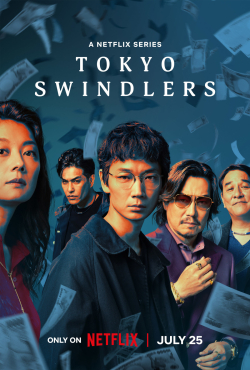
Tokyo's Concrete Jungle: Where Dreams Die and "Swindlers Netflix" Thrive
Tokyo, a city synonymous with gleaming modernity, cutting-edge technology, and unparalleled economic might, has in recent years also become a symbol of a different kind of struggle: a cutthroat real estate market. Fueled by international investment, the promise of the 2021 Olympics, and a relentless boom, property prices have soared to dizzying heights, turning the simple act of finding an affordable home into a modern-day treasure hunt for the average citizen. As once-accessible suburbs transform into luxury enclaves for the ultra-wealthy, a vast chasm has opened, leaving ordinary people grasping for even a sliver of personal space. It's into this stark, almost dystopian reality that Netflix's latest Japanese original, Tokyo Swindlers, plunges viewers, offering a dark and thrilling narrative that echoes the infamous excesses of The Wolf of Wall Street, but with a uniquely unsettling twist.
This seven-episode miniseries introduces us to a world where desperation breeds ingenious, albeit illicit, solutions. Here, a charismatic group of con artists, led by the magnetic Takumi Tsujimoto (Go Ayano), decide that if they can't beat the system, they'll simply bleed it dry. Their strategy? Masterfully selling properties they don't own, amassing colossal fortunes in the process. As the stakes escalate to an unprecedented 10 billion Yen, the police draw ever closer, promising a gripping cat-and-mouse chase. If you're drawn to complex moral landscapes and high-stakes criminal enterprises, Swindlers Netflix has just delivered another compelling addition to its roster of anti-hero narratives.
Tokyo's Golden Cage: The Real Estate Dream Turned Nightmare
To truly appreciate the audacious schemes depicted in Tokyo Swindlers, one must first understand the volatile backdrop against which they unfold. Tokyo is not just any metropolis; it's a global economic powerhouse where land is a precious commodity. The run-up to the 2021 Olympic Games injected an unprecedented surge of capital and development, driving property values through the roof. While this created immense wealth for some, it simultaneously pushed homeownership further out of reach for countless working families.
Imagine a city where even a modest apartment in a once-affordable neighborhood now demands an exorbitant sum, where the dream of a stable home life is replaced by endless cycles of rent and the gnawing anxiety of rising living costs. This isn't just a plot device; it's a poignant reflection of a very real crisis. The show's narrative cleverly leverages this societal pressure, portraying a world where ethical lines blur, and the desperate search for financial security can lead individuals down dark paths. The swindlers aren't merely greedy; they are, in a twisted sense, product of the very system they exploit, a stark commentary on the extremes of urban capitalism. It's this deep socio-economic rooting that gives Tokyo Swindlers a layer of gritty realism often missing from pure crime thrillers, making the actions of its protagonists, however illegal, strangely comprehensible.
The Art of the Con: Inside "Tokyo Swindlers"
At the heart of Tokyo Swindlers lies Takumi Tsujimoto, brought to life with captivating intensity by Go Ayano. He's not just a criminal; he's a master manipulator, a visionary who sees the gaping holes in the system and exploits them with surgical precision. Alongside a formidable ensemble cast including Etsushi Toyokawa, Kazuki Kitamura, and Eiko Koike, Tsujimoto orchestrates a symphony of deception, selling luxurious properties that are, in essence, phantoms. Their methods are complex, involving intricate webs of shell companies, forged documents, and a deep understanding of legal loopholes, allowing them to pocket billions of Yen from unsuspecting buyers and investors.
The series excels in depicting the meticulous planning and sheer nerve required for such large-scale fraud. Each step of their elaborate cons is laid bare, drawing the audience into the mechanics of their illegal empire. But as their ambitions swell, particularly with a scheme promising a staggering 10 billion Yen payout, the walls begin to close in. The law, embodied by persistent investigators, inches closer, threatening to unravel their meticulously constructed facade. The tension is palpable, creating a constant sense of dread and excitement as viewers are left to wonder if these cunning individuals will finally face justice or disappear into the shadows with their ill-gotten gains. For a deeper dive into the specific real estate issues highlighted by the show, check out Tokyo Swindlers: Netflix Exposes Japan's Real Estate Scam.
Practical Insight: Con artists often thrive on exploiting perceived value and the emotional desire for a good deal. In real estate scams, they might offer properties significantly below market value, pushing potential buyers to act quickly without due diligence. Always verify property ownership through official channels, consult independent legal counsel, and be wary of deals that seem too good to be true. The show, while fictional, highlights the vulnerabilities inherent in high-stakes transactions.
Beyond Wall Street: A Genre-Bending Thriller
The immediate comparison for Tokyo Swindlers is often to Martin Scorsese's modern classic, The Wolf of Wall Street. Both feature charismatic anti-heroes who ruthlessly pursue wealth, operate on the fringes of legality, and challenge our moral compass, compelling us to root for them despite the collateral damage they inflict. Jordan Belfort's decadent lifestyle and unapologetic greed find a spiritual successor in Tsujimoto's calculated avarice. However, to label Tokyo Swindlers merely as a Japanese counterpart to Scorsese's film would be to miss its unique, darker pulse.
This series injects a chilling "serial killer atmosphere" and, remarkably, opens with a "trashy-bloody animal horror" sequence. This unexpected genre mash-up is a bold, almost jarring choice that immediately signals that this isn't your typical financial thriller. It hints at a deeper, more primal darkness lurking beneath the surface of Tokyo's sleek facade. While some might find this stylistic departure disorienting in the first episode, it undeniably sets Tokyo Swindlers apart. It's as if the show is telling us that the financial wilderness they operate in is not just cutthroat, but genuinely dangerous, where even the swindlers themselves could become prey.
The series also employs a genre-typical exposition narrator, guiding viewers through the complex world of real estate fraud, while the initial episodes leave some questions about character depth. However, this blend of social commentary, high-stakes thriller, and unsettling horror elements promises a narrative that constantly defies expectations. It's a darker, more visceral cousin to films like Dumb Money, where the fight against the system is not just about financial savvy but about survival in a brutal urban ecosystem. This distinct "twist" elevates it beyond a simple tale of greed, embedding it with a palpable sense of dread and an unpredictable edge that keeps you hooked, wondering just how far these Swindlers Netflix protagonists will go, and what truly lurks in their hearts.
Our Obsession with the Underworld: Why We Root for Netflix's Swindlers
The magnetic pull of stories about con artists and swindlers is undeniable. From the ingenious exploits of Frank Abagnale Jr. in Catch Me If You Can to the infuriating charisma of Simon Leviev in The Tinder Swindler, streaming platforms are awash with tales of those who defy the rules. Tokyo Swindlers taps directly into this enduring fascination. Why are we so drawn to these "bad guys" and "gals"? Is it the thrill of watching ingenious schemes unfold, the vicarious satisfaction of witnessing someone outsmart a system that often feels rigged against the ordinary person, or the inherent human curiosity about the darker side of ambition?
With shows like Tokyo Swindlers, audiences are often caught in a moral quandary: do we root for these cunning individuals to get away with their elaborate cons, or do we wish to see them brought to justice? The show thrives on this ambiguity. By presenting the swindlers as products of a hyper-capitalist society, it challenges us to consider whether their actions, however illegal, are a form of desperate rebellion against an unfair system. They are not heroes, but they are undeniably compelling, offering a mirror to societal inequalities and the lengths to which people will go to carve out their own piece of the pie.
The appeal is heightened when these stories, even if fictionalized, feel "real" – grounded in tangible socio-economic issues, as Tokyo Swindlers so expertly is. It's a testament to the power of narrative that we can become so engrossed in the lives of characters who commit egregious acts, hoping against hope that they'll evade capture, even as our rational minds demand their comeuppance. This complex interplay of admiration and moral judgment is precisely what makes Swindlers Netflix offerings so captivating, and for more on why we're so obsessed with these characters, read Netflix Swindlers: Why We're Obsessed with Con Artists Like Tokyo's.
Conclusion: A Dark Reflection of Modern Ambition
Tokyo Swindlers is more than just another crime drama; it's a potent social commentary wrapped in a thrilling, genre-bending package. By setting its narrative against the backdrop of Tokyo's escalating real estate crisis, it gives context and a distorted sense of justification to the audacious, illegal actions of its protagonists. With its compelling performances, intricate plotting, and a unique blend of financial thriller, moral ambiguity, and unexpected horror elements, the series offers a fresh take on the con artist genre. It invites viewers to confront uncomfortable questions about ambition, inequality, and the lines we draw when desperation sets in. If you're looking for a series that challenges your perceptions and keeps you on the edge of your seat, Tokyo Swindlers is an essential watch, solidifying its place as a standout entry in the growing collection of engrossing Swindlers Netflix originals.